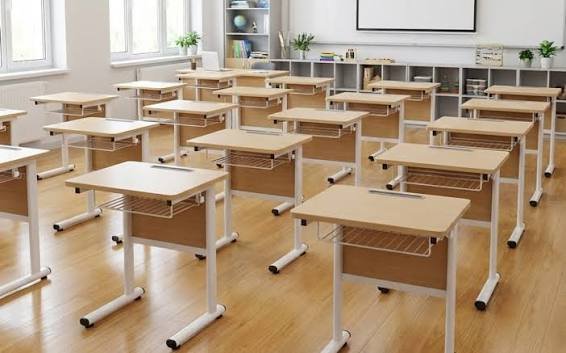
Buying school furniture is one of the biggest facility investments a district makes outside of the building itself. Desks, chairs, tables, and storage units take a beating every single day, and the wrong purchase can drain a budget for years.
This guide walks administrators, principals, facility managers, and purchasing coordinators through the full process. From judging durability to comparing school furniture suppliers, here is how to choose pieces that hold up for the long haul.
Why Furniture Quality Affects Learning and Budgets
Students spend most of their day sitting at desks and tables, so comfort and stability directly shape how well they focus. Wobbly chairs, sharp edges, and desks at the wrong height create distractions and even safety concerns. Well built educational furniture, on the other hand, supports good posture and keeps attention on the lesson.
Quality also protects the budget. Cheap school furniture that fails after a few years must be replaced sooner, and every replacement cycle brings new freight costs, new assembly work, and more classroom disruption. Durable school furniture spreads its cost across a decade or more of use, which almost always makes it the better value.
How to Assess Durability Before You Buy
Durability comes down to materials, construction, and the manufacturer’s confidence in both. Look closely at these areas before signing a purchase order.
Frame Materials and Construction
The frame carries the load, so start there. Heavy gauge tubular steel frames resist bending and hold up to constant movement, stacking, and dragging. Welded joints tend to outlast bolted ones, and powder coated or chrome finishes resist rust and scratching far better than painted surfaces.
For chairs, check how the seat and back attach to the frame. Reinforced attachment points and solid rivets or fasteners make the difference between a chair that lasts and one that loosens within a semester.
Laminate vs. Hard Plastic Tops
Work surfaces take the most direct abuse. High pressure laminate tops are smooth, easy to clean, and cost effective, and versions with protective edge banding or T-mold edges resist chipping where desks get bumped the most.
Hard plastic tops cost more up front but shrug off carving, gouging, and moisture. They are a smart choice for older students, science areas, and any room where surfaces see rough treatment. Many schools mix the two, putting hard plastic where wear is heaviest and laminate everywhere else.
Weight Capacity and Warranties
Always confirm the stated weight capacity for chairs, stools, and folding tables, especially for cafeteria and multipurpose use where adults sit as often as students. Furniture rated for heavy commercial use will handle daily school life without stress.
Warranties tell you how much faith the manufacturer has in the product. A ten year or lifetime structural warranty signals school furniture built to survive real classrooms. A one year warranty on a student chair should give you pause.
Read Also: Vieira Named New Senegal Head Coach
Plan Purchases Around Enrollment and Grade Levels
Smart procurement starts with your enrollment picture. Review projected enrollment by grade for the next several years so you buy for the students you will have, not just the students you have now. A growing kindergarten cohort today means more upper elementary seating in a few years.
Grade level drives sizing too. Preschool and early elementary rooms need lower seat heights and adjustable leg tables, while middle and high school rooms need larger work surfaces and taller seating. Adjustable height desks and activity tables give you flexibility when a room changes grade assignments, which happens more often than most buyers expect.
Order a small overage as well. Having a few extra chairs and desks in storage lets you replace damaged pieces instantly without waiting on a new shipment.
Evaluating School Furniture Suppliers
The product is only half the decision. The company behind it determines whether your order arrives on time, intact, and supported. When comparing school furniture suppliers, dig into the details that affect your project timeline and total cost.
- Lead times. Ask for realistic production and shipping estimates, and remember that summer is peak season. Orders placed in late spring can face long queues, so plan ahead for August delivery.
- Freight and delivery. Clarify whether quotes include freight, liftgate service, and inside delivery. Educational furniture ships heavy, and surprise freight charges can wreck a carefully planned budget.
- Find out what arrives fully assembled and what requires on site work. If your maintenance team is small, ask about assembly services or choose products that ship ready to use.
- Replacement parts. Good school furniture suppliers stock glides, casters, bolts, and seat shells for years after a sale. Access to parts lets you repair a chair for a few dollars instead of replacing it.
- Education experience. A supplier that works with schools every day understands purchase orders, bid requirements, tax exemption paperwork, and academic calendar deadlines.
Responsive customer service matters more than a slightly lower price. When a pallet arrives damaged two weeks before school starts, you want a partner who answers the phone.
Budgeting and Phased Replacement
Few schools can refurnish an entire campus at once, and they rarely need to. A phased replacement plan spreads cost across several budget cycles while keeping classrooms functional. A practical approach looks like this:
- Inventory every room and rate each piece of school furniture by condition.
- Replace anything unsafe or broken immediately, regardless of schedule.
- Prioritize the highest use spaces next, such as cafeterias and core classrooms.
- Rotate remaining rooms into the plan over the following budget years.
- Reassess the inventory annually and adjust the schedule as enrollment shifts.
Buying in phases also lets you standardize gradually. Choosing consistent models and colors across purchases makes future rooms interchangeable and simplifies reordering.
Sizing and Ergonomics Basics
School furniture that fits the student protects posture and attention. As a general rule, students should sit with feet flat on the floor, knees at a comfortable angle, and forearms resting naturally on the work surface. Desks and tables should pair with seat heights appropriate for each grade band.
Adjustable height tables solve a lot of sizing problems in mixed age spaces like libraries, art rooms, and special education classrooms. Cantilever style chairs and contoured shells add comfort for older students who sit through longer class periods. When in doubt, ask your supplier for grade level sizing guidance before you finalize quantities.
Build a Maintenance Plan From Day One
Even the best educational furniture lasts longer with basic care. Set a simple routine: tighten hardware each semester, replace worn floor glides before they damage flooring, and clean laminate and plastic surfaces with mild, non abrasive cleaners.
Train custodial staff on proper stacking and moving so chairs and folding tables are not dragged or dropped. Keep a small parts kit on hand, and log repairs so you can spot patterns and plan replacements early. A modest maintenance habit can add years to the life of your school furniture investment.
Conclusion
Choosing school furniture that lasts comes down to a handful of disciplined decisions. Judge durability by frames, surfaces, capacity ratings, and warranties. Match sizes to grade levels and plan around enrollment trends. Vet school furniture suppliers on lead times, freight, assembly, and parts support, then phase purchases to fit your budget and maintain what you buy.
Administrators who follow this process furnish classrooms that stay safe, comfortable, and functional for years. That means fewer emergency replacements, steadier budgets, and learning spaces that serve students well.
–>
Source: Complete Sports

